
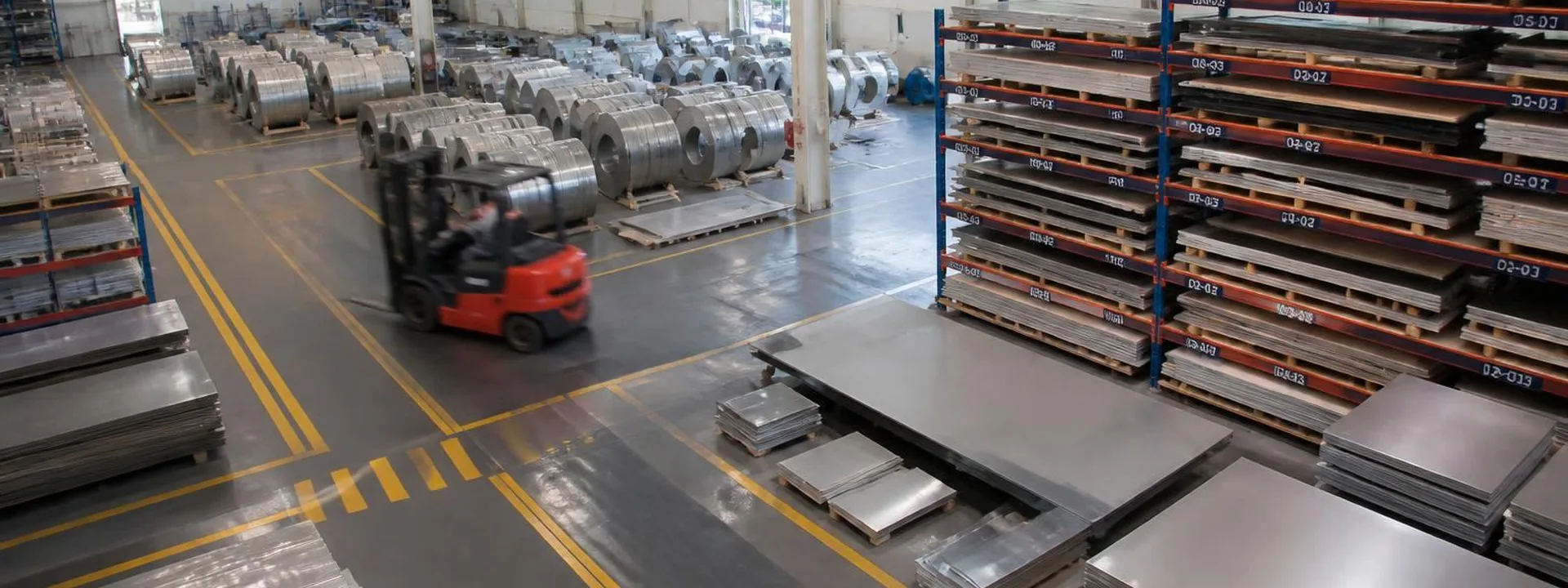
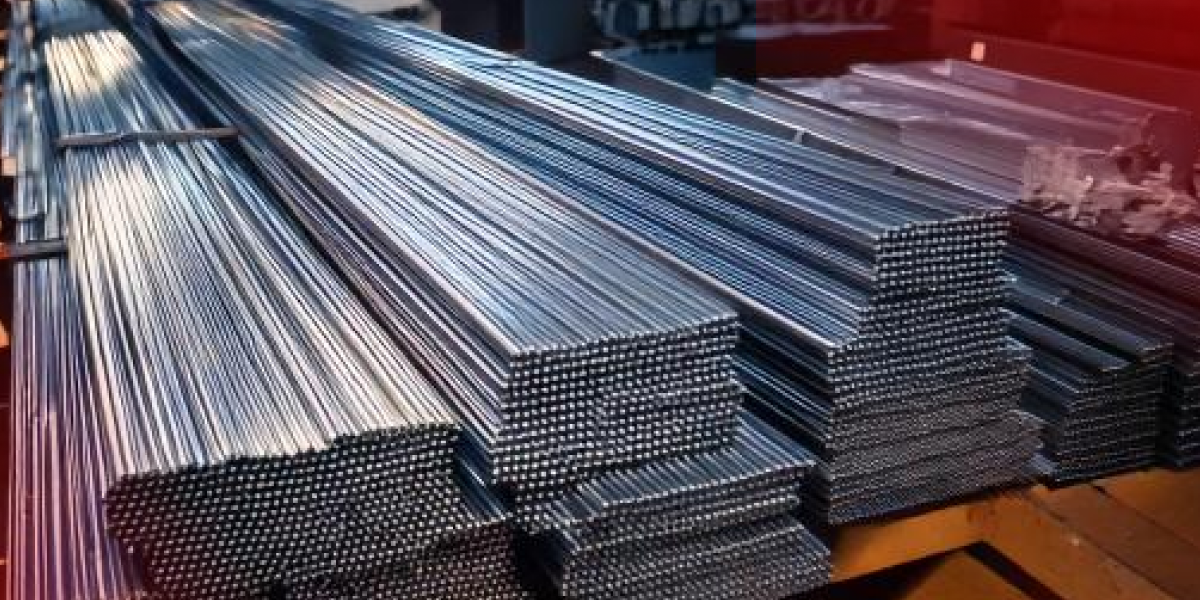
When it comes to industrial projects requiring high-quality materials, alloy steel remains one of the most reliable and versatile options. From construction to power generation, the demand for premium alloy steel products is continually rising in India. When it comes to industrial projects requiring high-quality materials, alloy steel remains one of the most reliable and versatile options. From construction to power generation, the demand for premium alloy steel products is continually rising in India. This blog explores the best practices, industry insights, and why choosing a top alloy steel supplier in India is critical for your project's success.
Understanding Alloy Steel: What Makes It Special?
Alloy steel is a combination of steel and other elements such as chromium, molybdenum, nickel, or vanadium. These additional elements enhance its mechanical properties, making it suitable for diverse applications.
Key Features of Alloy Steel:
- Strength: High tensile and yield strength for structural integrity.
- Corrosion Resistance: Superior resistance to rust and chemical wear.
- Durability: Long-lasting performance under extreme conditions.
- Versatility: Suitable for pipes, plates, bars, and fittings across industries.
Why India is a Leading Hub for Alloy Steel Manufacturing
India is home to several world-class alloy steel manufacturers, thanks to:
- Abundant Resources: India’s vast reserves of iron ore and minerals support cost-effective alloy steel production.
- Skilled Workforce: Expertise in producing high-grade steel products tailored to industry needs.
- Global Standards Compliance: Indian manufacturers adhere to international certifications like ASTM, ASME, and ISO.

Top Applications of Alloy Steel
1. Construction and Infrastructure
- Uses: Reinforcements, beams, and structural frameworks.
- Benefits: High strength-to-weight ratio and excellent load-bearing capacity.
2. Oil and Gas Industry
- Uses: Pipes, fittings, and heat exchangers.
- Benefits: Corrosion resistance in harsh environments like offshore rigs.
3. Automotive Sector
- Uses: Engine parts, gears, and axles.
- Benefits: Withstands wear and tear under high mechanical stress.
4. Power Generation
- Uses: Turbine components, boilers, and pressure vessels.
- Benefits: Durability and heat resistance in high-temperature applications.
Key Alloy Steel Products in Demand
| Product | Applications | Advantages |
|---|---|---|
| Alloy Steel Pipes | Oil & Gas, Power Plants | High pressure and temperature resistance. |
| Alloy Steel Plates | Construction, Shipbuilding | Corrosion resistance and structural strength. |
| Alloy Steel Round Bars | Automotive, Aerospace | Machinability and durability under stress. |
| Alloy Steel Fittings | Chemical Plants, Refineries | Leak-proof connections and longevity. |
Detailed Product Insights
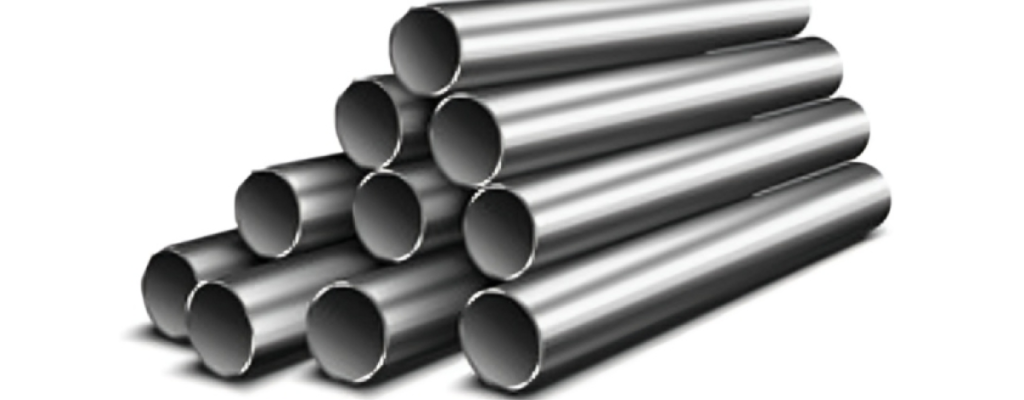
1. Alloy Steel Pipes
- Specifications: ASTM A335 (P5, P9, P11, P22) for high-temperature services.
- Features:
- Seamless or welded options.
- High resistance to pressure and thermal stresses.
- Applications: Widely used in power plants, oil refineries, and petrochemical industries.
2. Alloy Steel Plates
- Specifications: ASTM A387 Grade 11 and 22 for boiler and pressure vessel applications.
- Features:
- Excellent weldability and heat resistance.
- Available in various thicknesses for diverse applications.
- Applications: Ideal for shipbuilding, construction, and storage tanks.
3. Alloy Steel Round Bars
- Specifications: EN19, EN24, and EN31 for high-strength applications.
- Features:
- Custom sizes and finishes are available.
- High tensile strength and fatigue resistance.
- Applications: Used in manufacturing gears, shafts, and fasteners.
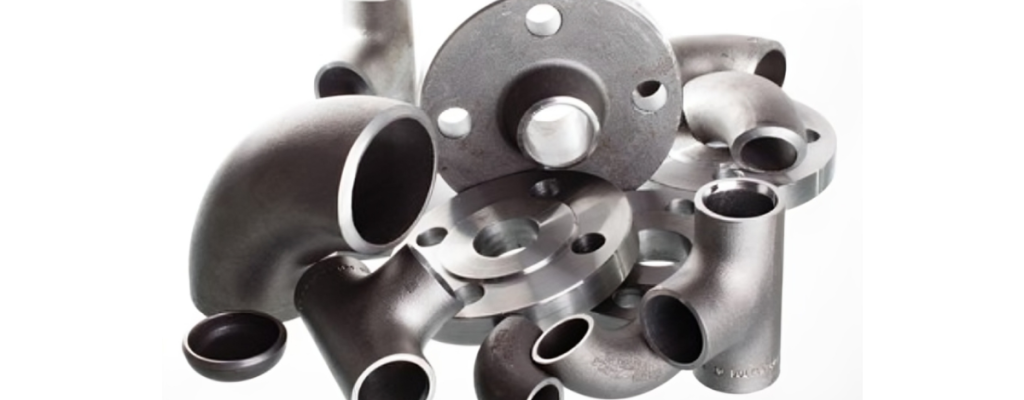
4. Alloy Steel Fittings
- Specifications: ASME B16.9 for seamless and welded fittings.
- Features:
- Leak-proof connections.
- Resistance to corrosive environments.
- Applications: Common in chemical processing, water treatment, and gas pipelines.
How to Choose the Best Alloy Steel Supplier in India
- Experience and Expertise:Opt for suppliers with years of experience in producing and delivering alloy steel products.
- Product Range:A reliable manufacturer should offer a wide range of products, including pipes, plates, bars, and fittings.
- Certifications:Ensure the supplier complies with global standards like ASTM, ASME, and ISO.
- Customization Options:Look for manufacturers who can tailor products to meet specific project requirements.
- Timely Delivery:
A good supplier guarantees prompt delivery to keep your project on schedule.
Why Choose India’s Leading Alloy Steel Suppliers?
1. Premium Quality Products
Indian manufacturers use advanced technologies to produce alloy steel that meets the highest quality standards.
2. Competitive Pricing
Cost-effective production processes allow Indian suppliers to offer premium products at affordable prices.
3. Export Expertise
Many Indian suppliers have a strong global presence, ensuring smooth export processes for international buyers.
Conclusion
Selecting the right alloy steel supplier in India can significantly impact the success of your project. With top-quality products, competitive pricing, and global standards compliance, India’s manufacturers offer unparalleled value in the alloy steel market.
Looking for premium alloy steel solutions? Contact us today to explore a wide range of products tailored to your industrial needs, from alloy steel pipes to round bars and beyond!