
Steelco Metals | Materials Engineering Series |
"Strength and corrosion resistance rarely come from the same formula — knowing which to prioritise defines your alloy choice."
When engineers and procurement teams face the aluminium selection question, two names dominate the conversation: 7075 and 6061. Both are workhorses of modern manufacturing — from aerospace components to marine hardware — yet they serve distinctly different purposes. Choosing the wrong one can compromise your design's integrity, cost, or longevity. This guide cuts through the confusion so you can make a confident, specification-backed decision.
Chemical Composition: Where It All Starts
6061 aluminium belongs to the 6xxx series, alloyed primarily with magnesium (0.8–1.2%) and silicon (0.4–0.8%). This chemistry produces a balanced performer — moderate strength, excellent corrosion resistance, and outstanding weldability.
7075 aluminium is a 7xxx-series alloy, driven by zinc (5.1–6.1%) with secondary contributions from magnesium and copper. This combination unlocks exceptional tensile strength — but comes with trade-offs that engineers must carefully weigh.
Mechanical Performance Comparison
Tensile strength is where 7075 makes its case decisively. In the T6 temper condition, 7075-T6 delivers approximately 572 MPa ultimate tensile strength versus 310 MPa for 6061-T6 — nearly double the load-bearing capacity. Yield strength follows the same pattern: 503 MPa for 7075-T6 compared to 276 MPa for 6061-T6.
However, 6061 offers greater elongation before fracture, making it more forgiving under dynamic or impact loading. For applications where ductility and energy absorption matter more than peak tensile values, 6061's behaviour is often the safer engineering choice.
Weldability and Fabrication
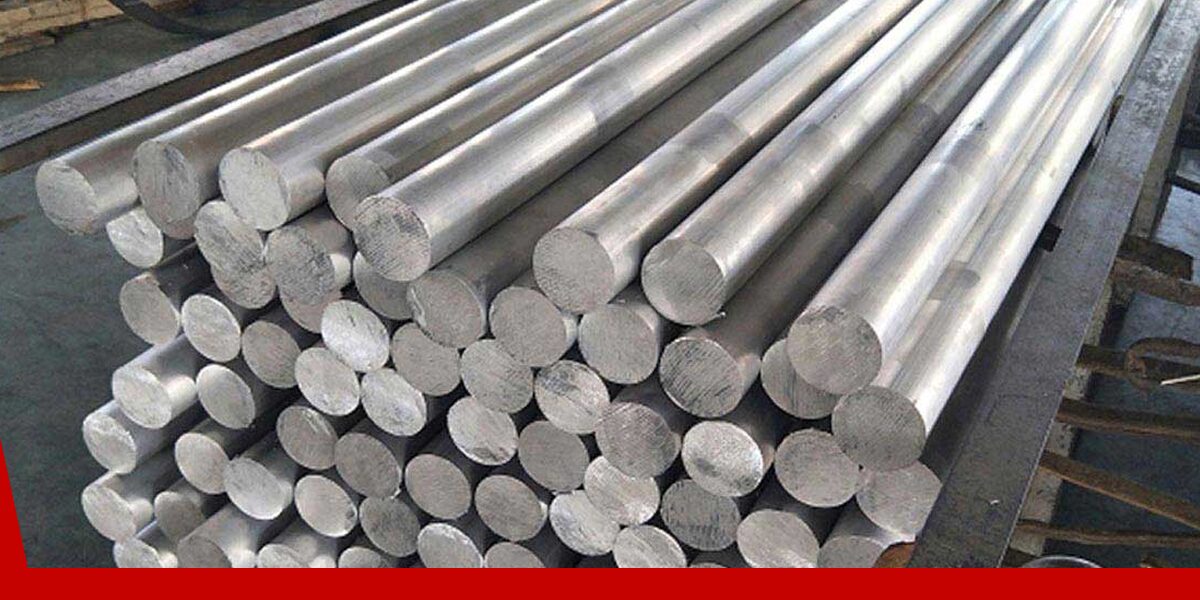
6061 is highly weldable using standard MIG and TIG processes with only moderate heat-affected zone softening. It machines cleanly, forms easily, and is available in virtually every product form — sheet, plate, bar, tube, and extrusion.
7075, by contrast, is notoriously difficult to weld. Its zinc-copper chemistry creates hot-cracking susceptibility, and welded joints suffer significant strength reduction. In 7075 assemblies, mechanical fastening and structural adhesives are the preferred joining methods. Machinability, however, is excellent — 7075 mills and drills cleanly, making it ideal for precision-machined components.
Corrosion Resistance
This is where 6061 shines, and 7075 shows its limitation. The copper content in 7075 makes it susceptible to galvanic and stress corrosion cracking, especially in marine or humid environments. Protective anodising or cladding is often required for 7075 components in corrosive service.
6061 performs reliably in most atmospheric and mild chemical environments without additional treatment, making it the preferred choice wherever corrosion resistance is a primary design constraint.
Ideal Applications
Choose 6061 for: structural weldments, marine components, architectural extrusions, automotive frames, consumer goods, and heat-treated structural members where corrosion resistance matters.
Choose 7075 for: aircraft structural components, high-stress tooling plates, bicycle frames requiring minimum weight, sporting equipment, and precision-machined parts where strength-to-weight ratio is the critical metric.
Cost Considerations
6061 is typically 20–30% less expensive than 7075 and is more widely stocked, offering faster lead times. Unless your application genuinely demands 7075's extreme strength, 6061 delivers superior value for most industrial and commercial projects.
About Steelco Metals
Steelco Metals supplies both 6061 and 7075 aluminium in plate, bar, sheet, and tube — with full mill certifications. Contact our technical team for specification guidance.