
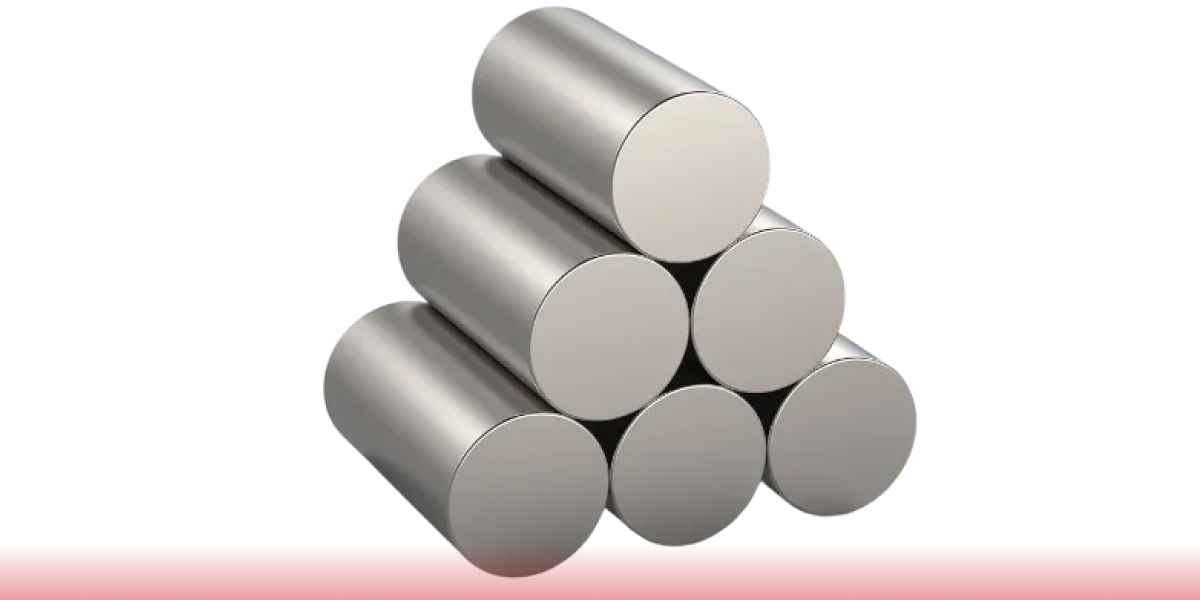
Titanium alloys offer exceptional strength-to-weight ratios and corrosion resistance, but selecting between commercially pure (CP) titanium Grade 2 and the workhorse alpha-beta alloy Grade 5 (Ti-6Al-4V) requires understanding their fundamental differences. Each serves distinct engineering applications where their unique properties provide optimal performance.
Composition and Microstructure Differences
Titanium Grade 2 (CP Titanium):
- Titanium: 99.2% minimum
- Iron: 0.30% max
- Oxygen: 0.25% max
- Nitrogen: 0.03% max
- Carbon: 0.08% max
Grade 2 represents unalloyed titanium with a single-phase alpha microstructure, providing excellent formability and weldability. Unlike complex alloy systems such as Hastelloy C276 or Alloy 625, Grade 2's simplicity delivers reliable performance across diverse applications.
Titanium Grade 5 (Ti-6Al-4V):
- Titanium: Balance (approximately 90%)
- Aluminum: 5.5-6.75%
- Vanadium: 3.5-4.5%
- Iron: 0.30% max
- Oxygen: 0.20% max
The aluminum and vanadium additions create a two-phase alpha-beta microstructure, dramatically increasing strength while maintaining reasonable ductility and corrosion resistance.
Mechanical Properties Comparison
Strength Performance:
- Grade 2 Yield Strength: 275 MPa minimum
- Grade 5 Yield Strength: 880 MPa minimum
This three-fold strength advantage makes Grade 5 competitive with high-strength alloys like Duplex 2205 while offering superior corrosion resistance and lower density (4.43 g/cm³ vs 7.8 g/cm³).
Ductility and Formability: Grade 2 exhibits superior elongation (20% minimum) compared to Grade 5 (10% minimum), enabling complex forming operations and tight-radius bending. This characteristic makes Grade 2 ideal for fabricated chemical equipment, similar to how Monel 400 excels in formed components.
Temperature Capability: Grade 5 maintains strength to approximately 400°C, while Grade 2 shows significant strength reduction above 200°C. For elevated temperature applications requiring superior corrosion resistance, Alloy 625 often proves more suitable.
Corrosion Resistance Analysis
Both grades demonstrate excellent corrosion resistance in oxidizing and mildly reducing environments, forming stable titanium dioxide (TiO₂) passive films. However, subtle differences influence material selection:
Grade 2 Advantages:
- Superior resistance in reducing acids (hydrochloric, sulfuric) at moderate temperatures
- Better performance in hydrogen sulfide environments
- Lower susceptibility to hydrogen embrittlement
- Excellent resistance in chlorinated organic compounds
Grade 5 Considerations: While Grade 5 maintains good general corrosion resistance, the alloying elements (aluminum, vanadium) can affect performance in specific media:
- Slightly reduced resistance in strong reducing acids compared to Grade 2
- Potential for selective attack in certain hot salt environments
- Generally suitable for most atmospheric and natural water applications
For severe chemical environments, Hastelloy C276 provides superior resistance, though at significantly higher density and cost.
Application-Specific Recommendations
Choose Titanium Grade 2 for:
Chemical Processing Equipment:
- Reactors and vessels handling oxidizing acids (nitric acid, chromic acid)
- Heat exchangers in chloride-containing process streams
- Piping systems in chlorine production facilities
- Electroplating and metal finishing equipment
Marine Applications:
- Desalination plant components
- Offshore platform seawater systems (competing with Monel 400)
- Subsea fasteners and hardware in non-structural applications
- Aquaculture containment systems
Choose Titanium Grade 5 for:
Aerospace Applications:
- Airframe structural components
- Engine compressor blades and discs
- Landing gear components
- Fasteners requiring high strength-to-weight ratio
Medical Devices:
- Orthopedic implants (hips, knees, spinal hardware)
- Surgical instruments
- Dental implants
- Biocompatible fasteners
High-Performance Industrial:
- Centrifuge components in chemical processing
- Pressure vessels requiring weight reduction
- Valve stems and springs in corrosive service
- Sports equipment and recreational products
Fabrication and Welding
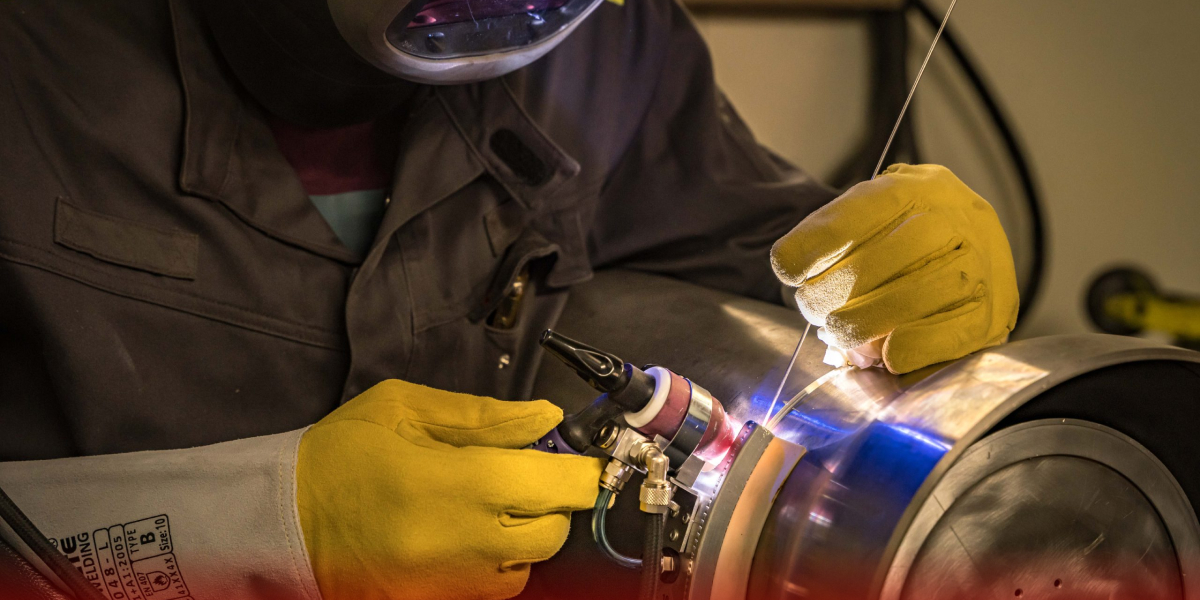
Grade 2 welds easily using GTAW with minimal heat-affected zone concerns. The single-phase microstructure maintains properties across welds, similar to the forgiving nature of annealed 316 stainless steel.
Grade 5 requires more careful welding control to prevent embrittlement and maintain ductility. Porosity prevention demands high-purity shielding gases and backing protection. Post-weld stress relief at 595-675°C for 1-2 hours optimizes properties in critical applications.
Both grades machine significantly differently than steel, requiring sharp tools, slower cutting speeds, and continuous coolant application to prevent work hardening—characteristics shared with Hastelloy C276 and other nickel alloys.
Cost Considerations
Grade 2 typically costs 20-30% less than Grade 5 due to simpler composition and processing. However, total cost analysis must consider:
- Material utilization (Grade 5's higher strength enables thinner sections)
- Fabrication complexity (Grade 2's superior formability reduces labor)
- Service life and maintenance costs
- Application-specific performance requirements
For applications where Duplex 2205 provides sufficient corrosion resistance and strength at lower cost, titanium may not justify its premium pricing despite weight advantages.
Conclusion
Select Titanium Grade 2 for maximum corrosion resistance, formability, and weldability in chemical processing and marine environments where moderate strength suffices. Choose Grade 5 for aerospace, medical, and high-performance applications requiring exceptional strength-to-weight ratios alongside good corrosion resistance. Understanding how these titanium grades compare to alternatives like Hastelloy C276, Duplex 2205, and Monel 400 ensures optimal material selection for your specific requirements.