
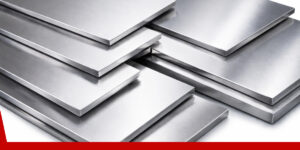
Inconel Supplier in Mumbai for High-Temperature Applications
Mumbai’s industrial sectors such as oil & gas, power generation, and chemical processing often operate in extreme temperature environments. Inconel is one of the most preferred nickel-based alloys known for its excellent heat resistance and corrosion resistance. If you are looking for a Inconel Supplier in Mumbai, Steelco Metal & Alloys offers a wide range
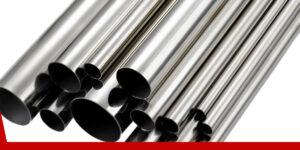
Hastelloy Supplier in Mumbai for Corrosion-Resistant Applications
Mumbai industries operating in chemical processing, marine environments, and high-temperature applications require materials that offer exceptional corrosion resistance. Hastelloy is one of the most reliable nickel-based alloys used in demanding industrial environments. If you are searching for a Hastelloy Supplier in Mumbai, Steelco Metal & Alloys provides high-quality Hastelloy products with reliable delivery and consistent
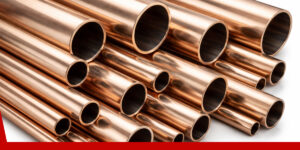
Copper Nickel Supplier in Mumbai for Marine and Industrial Applications
Mumbai is home to major marine, shipbuilding, offshore, and industrial sectors that require materials capable of performing in harsh environments. Copper Nickel alloys are widely used in these industries because of their excellent corrosion resistance, especially in seawater and marine conditions. If you are searching for a Copper Nickel Supplier in Mumbai, Steelco Metal &
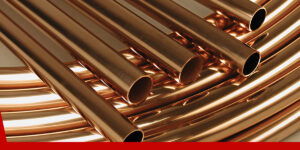
90/10 Cupronickel Tubing for Heat Exchangers & Condensers
Book A Consultation “In seawater heat transfer systems, material failure is never a small problem — 90/10 cupronickel is the alloy that earns its keep.” Introduction Heat exchangers and condensers operating in marine, offshore, and power generation environments face a relentless combination of thermal cycling, high flow velocities, and corrosive seawater. Choosing the right tubing
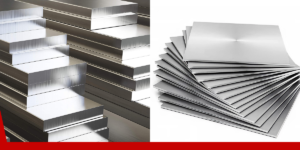
7075 vs 6061 Aluminium: Which Alloy for Your Design
Book A Consultation Steelco Metals | Materials Engineering Series | “Strength and corrosion resistance rarely come from the same formula — knowing which to prioritise defines your alloy choice.” When engineers and procurement teams face the aluminium selection question, two names dominate the conversation: 7075 and 6061. Both are workhorses of modern manufacturing — from
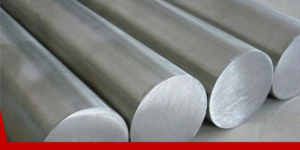
Cobalt Chrome F75: Medical Grade Alloy for Orthopaedic Implants
Book A Consultation Introduction The materials used in orthopedic implants must meet a standard of performance that few engineering applications can match: decades of service inside the human body, subjected to millions of load cycles, in a physiological environment that would corrode lesser alloys and trigger immune responses to unsuitable compositions. Cobalt-chromium F75 — formally