Uncategorized

Group 1000001349

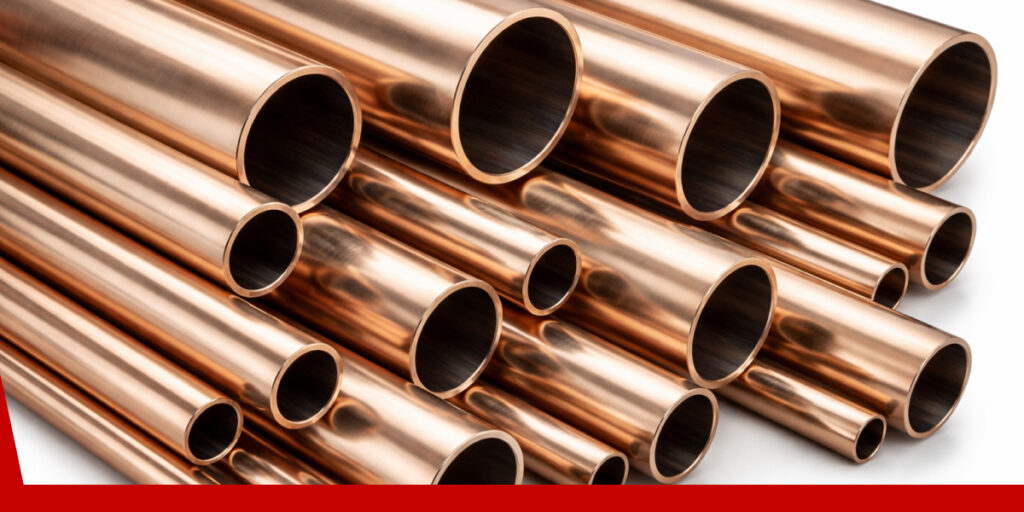
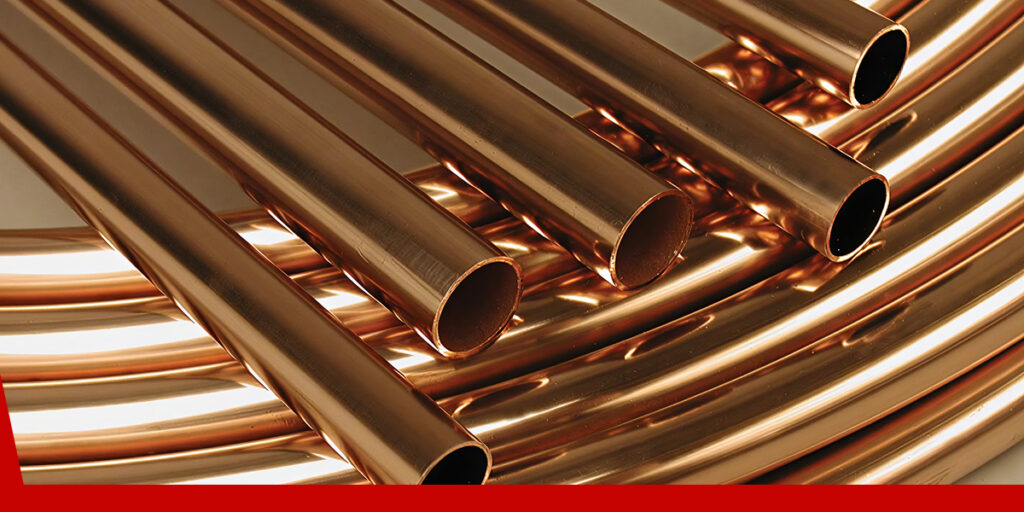
90/10 Cupronickel Tubing for Heat Exchangers & Condensers

Book A Consultation “In seawater heat transfer systems, material failure is never a small problem — 90/10 cupronickel is the alloy that earns its keep.” Introduction Heat exchangers and condensers operating in marine, offshore, and power generation environments face a relentless combination of thermal cycling, high flow velocities, and corrosive seawater. Choosing the right tubing […]

90/10 Cupronickel Tubing for Heat Exchangers & Condensers Read More »

Group 1000001361

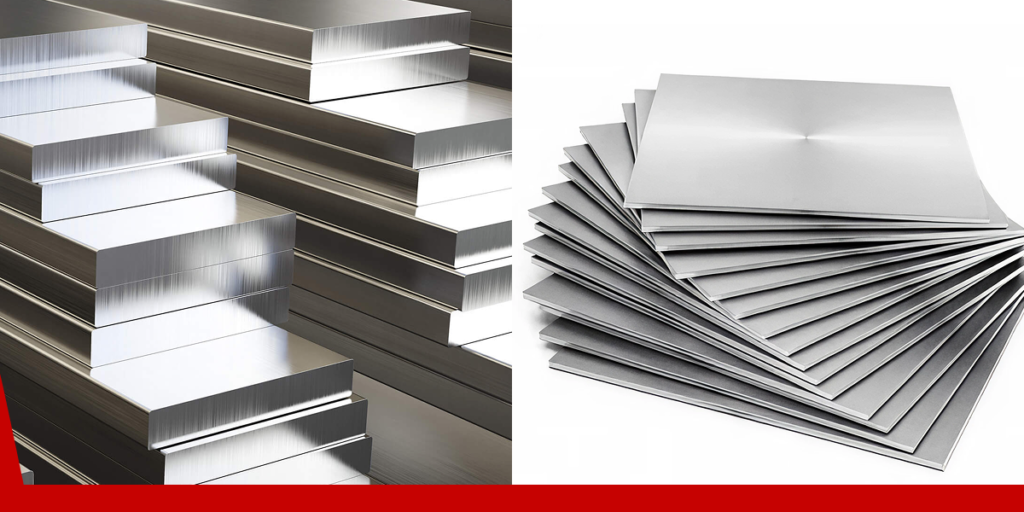
7075 vs 6061 Aluminium: Which Alloy for Your Design

Book A Consultation Steelco Metals | Materials Engineering Series | “Strength and corrosion resistance rarely come from the same formula — knowing which to prioritise defines your alloy choice.” When engineers and procurement teams face the aluminium selection question, two names dominate the conversation: 7075 and 6061. Both are workhorses of modern manufacturing — from

7075 vs 6061 Aluminium: Which Alloy for Your Design Read More »

Group 1000001359

Cobalt Chrome F75: Medical Grade Alloy for Orthopaedic Implants

Book A Consultation Introduction The materials used in orthopedic implants must meet a standard of performance that few engineering applications can match: decades of service inside the human body, subjected to millions of load cycles, in a physiological environment that would corrode lesser alloys and trigger immune responses to unsuitable compositions. Cobalt-chromium F75 — formally

Cobalt Chrome F75: Medical Grade Alloy for Orthopaedic Implants Read More »

Group 1000001357 1

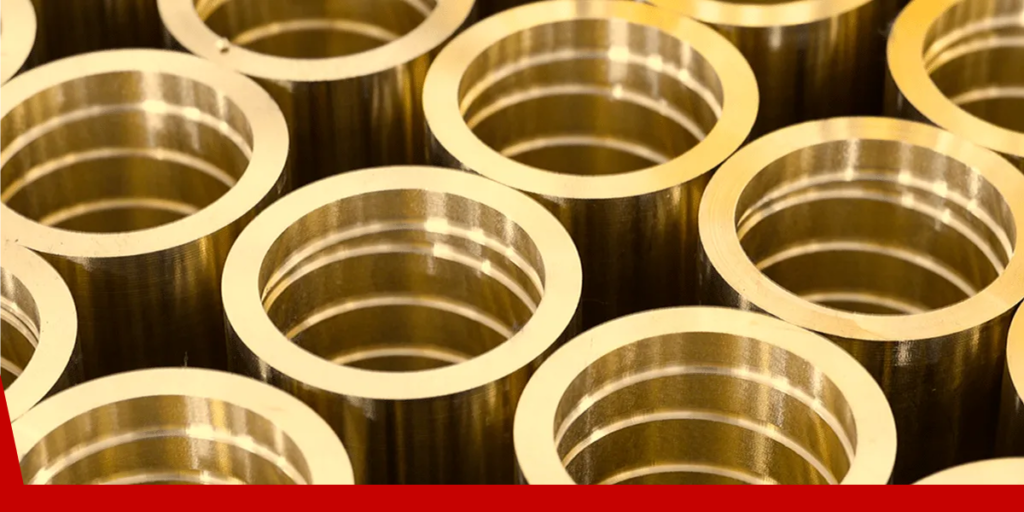
Bronze C932 Composition: Tin-Aluminum-Nickel Alloy System

Book A Consultation Introduction Paragraph: In the landscape of copper-base bearing and bushing alloys, C932 — commonly designated SAE 660 bearing bronze — occupies a position of unmatched commercial significance. It is the most widely specified bronze alloy for sleeve bearings, bushings, and thrust washers in industrial machinery, and for good reason. Its carefully balanced

Bronze C932 Composition: Tin-Aluminum-Nickel Alloy System Read More »

Group 1000001354

Alloy 20 vs 316 Stainless: Which for Sulfuric Acid Service

Book A Consultation Steelco Metals | Materials Engineering Series | Introduction Sulfuric acid is the most widely produced industrial chemical in the world, used in fertiliser production, petroleum refining, battery manufacturing, and chemical synthesis. It is also one of the most corrosive environments that process equipment must endure. When engineers specify materials for pumps, heat

Alloy 20 vs 316 Stainless: Which for Sulfuric Acid Service Read More »

Blog 4 Titanium Grade 5 vs Grade 2 When to Use Each Alloy Type

Titanium Grade 5 vs Grade 2: When to Use Each Alloy Type

Book A Consultation Titanium alloys offer exceptional strength-to-weight ratios and corrosion resistance, but selecting between commercially pure (CP) titanium Grade 2 and the workhorse alpha-beta alloy Grade 5 (Ti-6Al-4V) requires understanding their fundamental differences. Each serves distinct engineering applications where their unique properties provide optimal performance. Composition and Microstructure Differences Titanium Grade 2 (CP Titanium):

Titanium Grade 5 vs Grade 2: When to Use Each Alloy Type Read More »

Duplex 2205 Properties

Duplex 2205 Properties: Why It Outperforms 316 Stainless Steel

Book A Consultation Duplex 2205 stainless steel has revolutionized corrosion-resistant applications by combining the best characteristics of austenitic and ferritic stainless steels. Understanding why this dual-phase microstructure outperforms conventional 316 stainless steel helps engineers optimize material selection for chloride-rich environments and high-stress applications. Microstructure: The Duplex Advantage Unlike single-phase austenitic 316 stainless steel, Duplex 2205

Duplex 2205 Properties: Why It Outperforms 316 Stainless Steel Read More »

Hastelloy C276 The Ultimate Corrosion Resistant Alloy Guide 1

Monel 400 vs 316 Stainless Steel: Which Alloy for Marine Use?

Book A Consultation Marine environments present unique material challenges: constant saltwater exposure, biofouling, galvanic corrosion, and mechanical stress from waves and currents. When selecting materials for marine applications, engineers typically compare Monel 400 and 316 stainless steel—two alloys with fundamentally different approaches to seawater corrosion resistance. Composition: Nickel-Copper vs Iron-Chromium Monel 400 consists of approximately

Monel 400 vs 316 Stainless Steel: Which Alloy for Marine Use? Read More »

Hastelloy C276 The Ultimate Corrosion Resistant Alloy Guide

Hastelloy C276: The Ultimate Corrosion-Resistant Alloy Guide

Book A Consultation When chemical processors face extreme corrosion challenges, Hastelloy C276 stands as the gold standard. This nickel-molybdenum-chromium superalloy delivers unmatched resistance to pitting, crevice corrosion, and stress corrosion cracking in some of the harshest industrial environments imaginable. What Makes Hastelloy C276 Unique? Hastelloy C276 belongs to the nickel-based superalloy family, containing approximately 57%

Hastelloy C276: The Ultimate Corrosion-Resistant Alloy Guide Read More »

Material Properties Overview

Titanium Fasteners vs. Stainless Steel: Performance Comparison

Book A Consultation Fasteners may be small components, but they play crucial roles in structural integrity, equipment reliability, and operational safety. The choice between titanium fasteners and stainless steel fasteners significantly impacts performance, weight, corrosion resistance, and total cost of ownership. This comprehensive guide compares these materials across various parameters to help engineers and procurement

Titanium Fasteners vs. Stainless Steel: Performance Comparison Read More »

Scroll to Top
Call Now Button